
Cryptocurrency can make an online casino feel faster and more flexible, but it also adds decisions that are easy to overlook: which currency to use, how exchange rates affect a balance, what verification may be required, and whether a payment method is available to you. The lussurio online casino information available for Canadian users describes a broad payment and game environment, including cryptocurrency options and CAD support. The practical question is not simply whether crypto appears in a cashier, but how to assess the route before committing funds.
Start by separating the casino balance from your crypto wallet
A cryptocurrency casino account and a personal crypto wallet are not the same thing. Your wallet holds digital assets under your control, while the casino account records a deposit or withdrawal processed through the operator’s available payment channels. The difference matters because sending funds to an incorrect address, choosing the wrong network, or confusing a token with a similarly named asset can create problems that are difficult to reverse.
The available Canadian payment information names Bitcoin, Ethereum, Litecoin, Dogecoin, Tether, USD Coin, Tron and Dai among the cryptocurrency options. It also indicates that CAD is supported as an account currency. These are separate choices: displaying a CAD balance does not mean that a crypto deposit is protected from market movement, and choosing a stablecoin does not remove network or transaction risks. Before transferring anything, check the exact asset, network, minimum and any instructions shown in the cashier.
A sensible navigation habit is to review the payment screen without depositing first. Look for the available coins, the required confirmations, whether the method supports withdrawals, and whether the displayed amount is denominated in CAD or another currency. Some payment routes can be deposit-only, while availability may vary by account, country, bank or provider. Treat every displayed condition as current only when it appears in the operator’s own terms or cashier.
Which crypto route fits the transaction?
Bitcoin and other major coins may be familiar, but familiarity is not the same as suitability. A network can become congested, fees can change, and the value of a coin against CAD may move while a transaction is pending. Stablecoins such as USDT, USDC and Dai are designed to track reference values, yet they still involve network selection, issuer and platform considerations, and possible differences between supported versions.
Compare a payment method using practical questions rather than popularity:
- Asset: Is the exact coin or token available for both deposits and withdrawals?
- Network: Does the wallet use the same blockchain network shown by the cashier?
- Cost: Will network fees, exchange spreads or conversion charges materially reduce the amount?
- Speed: Could confirmations or a compliance review delay the balance or withdrawal?
- Records: Can you retain transaction IDs, screenshots and wallet details for your records?
Canadian users should also remember that crypto is not the only route described in the available material. Interac, cards, e-wallets, bank transfers and voucher services may be listed alongside digital assets, although individual availability can differ. A conventional method may be easier to reconcile, while crypto may offer more choice but requires greater technical care. Select the method you can explain, track and afford to lose if a transfer error occurs.
Check the withdrawal path before making a deposit
Deposit convenience can distract from the more important question: how would money leave the account? The published Canadian-facing information gives indicative withdrawal review periods of up to 72 hours before method-specific delivery, while crypto delivery is sometimes listed as taking up to 24 hours. These are indicative descriptions, not guarantees. Identity checks, payment reviews, blockchain confirmations or game-provider investigations can extend the process.
Withdrawal conditions may also be different from deposit conditions. The available information describes a general Canadian withdrawal minimum around CA$35, while other international listings show different thresholds in US dollars. It also describes approximate Canadian ceilings of CA$700 per request and CA$1,400 per day. Such figures can depend on currency, method, account status and current terms, so confirm the amount shown to your account rather than relying on a directory summary.
Before depositing, trace the whole route: crypto wallet to casino balance, any required play-through, withdrawal request, identity review and transfer back to a wallet or another permitted method. Deposits may need to be played through even when no bonus is used, and withdrawals may be restricted to a previously used deposit method. Keep the original transaction record and never assume that a successful deposit automatically proves that the reverse route is available.
Expect verification where crypto meets account security
Cryptocurrency transactions can appear anonymous to new users, but an online casino account may still be subject to identity and payment-ownership checks. The available account information says registration requires accurate personal and contact details and that Know Your Customer review may request government-issued identification, proof of address and evidence that the deposit or withdrawal method belongs to the player.
Verification can be especially relevant before a withdrawal. The published material describes review windows of up to 72 hours, while noting that additional checks may take longer. It also refers to reports of delayed verification, duplicate-account allegations and withdrawals paused during provider reviews. Those statements should not be treated as proof of what will happen to every user, but they do show why an account holder should read the rules before funding an account.
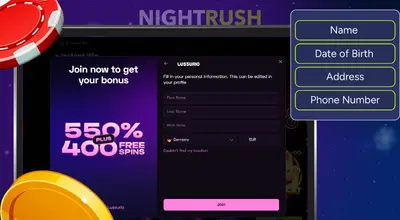
Use a consistent legal name, one permitted account and current contact information. Do not edit identity details casually after registering, and do not send documents through an unverified message or address. For broader Canadian online-safety guidance, consult the Canadian Anti-Fraud Centre’s fraud-prevention resources. That information is general consumer guidance; it does not confirm any casino’s licensing, payment approval or withdrawal performance.
Build a safer navigation routine on mobile and desktop
The described service is available through modern smartphone and tablet browsers, with account access, casino content, promotions and cashier functions available without a desktop computer. That convenience can make payment decisions feel casual. A larger screen is often preferable for comparing terms, checking a wallet address and reading verification requirements, while a phone may be useful for account alerts and transaction tracking.
Before using a mobile browser, confirm the address carefully, update the device and avoid public Wi-Fi for account or wallet activity. Use a unique password and secure the email account connected to the casino profile. A native application should not be assumed merely because a directory labels a service “mobile”; the available information distinguishes browser access from a verifiable iOS or Android store listing.
Account controls may include deposit, wagering, loss and session limits, reality checks, cooling-off periods and self-exclusion. These tools are most useful when set before a payment is made, rather than after spending has become difficult to track. Keep crypto activity separate from essential household funds, set a fixed entertainment budget in CAD, and stop if the transaction history or exchange-rate impact becomes unclear. Convenience should simplify navigation, not encourage rushed decisions.
Frequently asked questions about crypto casino payments
Does supporting CAD mean crypto deposits stay stable in value?
No. CAD can be an account currency while the deposited asset remains exposed to crypto price movement, conversion rates and network fees. Check how the cashier values the transaction and retain the confirmation. A CAD display does not guarantee that the amount returned later will have the same purchasing power.
Can a crypto deposit always be withdrawn as cryptocurrency?
Not necessarily. Payment methods may be deposit-only, limited by account or country, or subject to a previously used-method rule. Withdrawal requests can also require identity and payment-ownership checks. Confirm the permitted withdrawal route, minimum and current terms before sending funds rather than assuming the deposit route works in reverse.
What should be saved after sending a crypto transaction?
Save the transaction ID, asset, network, wallet address, amount, exchange-rate details, timestamp and any cashier reference. Keep screenshots only as supporting evidence, not as a substitute for the blockchain record. These details can help support investigate a missing balance or allow you to reconcile the transaction later.


